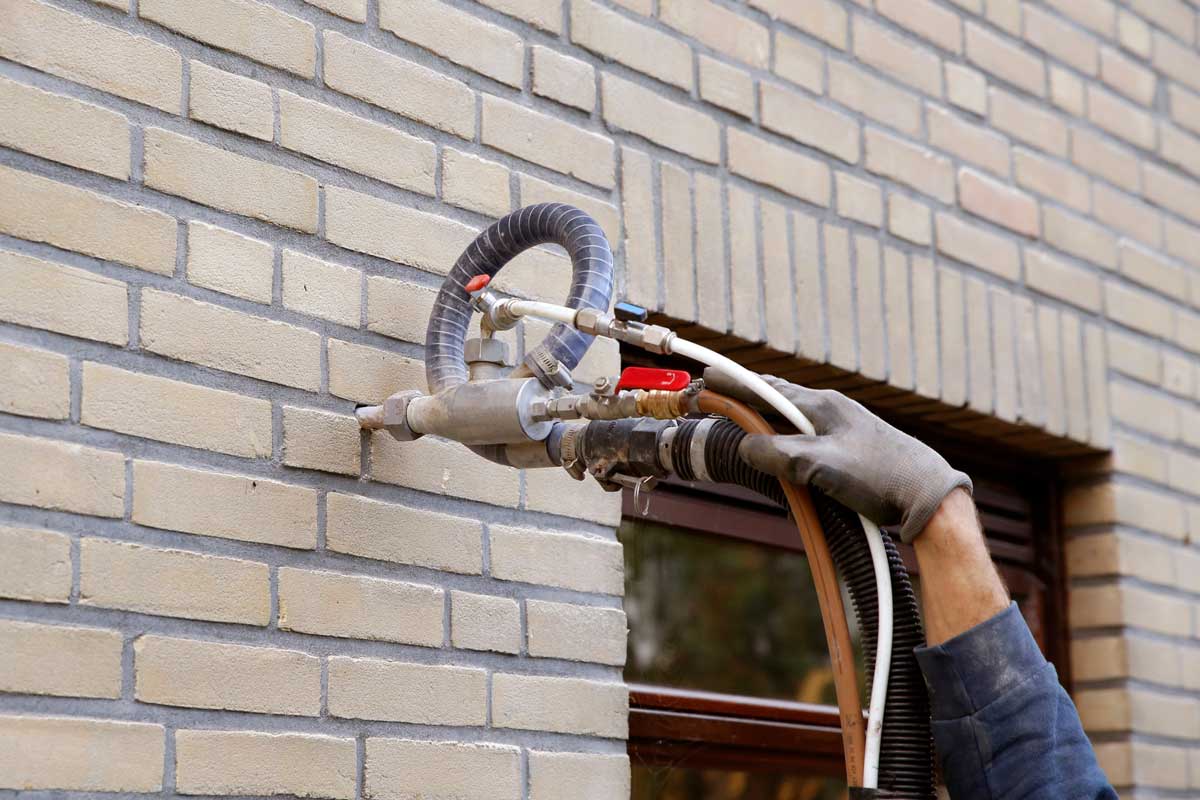
Protecting your house from rising damp and mold is crucial for maintaining a clean living environment. Here are some of the best ways to prevent and reverse damp and mold issues:
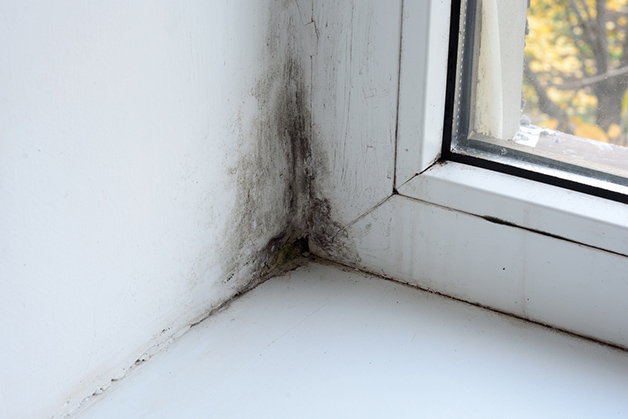
1. Maintain proper ventilation :
– Make sure you have good ventilation throughout your building by frequently opening windows and using exhaust fans in areas such as the kitchen and bathroom.
– Consider installing a whole-house ventilation system or a getting a dehumidifier if your building is always humid.
2. Control room humidity levels:
– Keep room humidity levels between 30% and 50% to inhibit mold growth.
– Use a hygrometer to check room humidity levels and adjust as needed with dehumidifiers or humidifiers.
3. Look at leaks and water damage promptly:
– Fix any leaks in your ceiling, walls, or plumbing as soon as they are discovered.
– Inspect your room for damp and address it right away to stop build up of moisture.
4. Insulate and ventilate any attic:
– Adequately insulate and ventilate your loft space to prevent condensation, which can promote mold growth.
– Contemplate adding a vapor barrier to lessen moisture build up.
5. Improve drainage and grading:
– Guarantee that rainwater flows away from your building’s foundation by maintaining proper grading and fitting gutter systems with downspouts.
– Use extensions on downspouts to re-firect water flow further from the house.
6. Fix cracks and gaps:
– Seal any crack in your home’s outer wall to prevent water from entering.
– Pay additional attention to areas around windows, doors, and where utility lines enter the house.
7. Use mold-resistant materials:
– When renovating or improving the building, go for mold-resistant plasterboard, insulation, and paint.
– Use mold-resistant floor options like ceramic tile or laminate.
8. Regularly Clean and service HVAC systems:
– Regularly clean and service any heating, ventilation, and air conditioning (HVAC) system to prevent mold growth in ducts.
– Use quality air filters and update them often.
9. Monitor and maintain your cellar:
– Keep your cellar water free by using a sump pump and dehumidifier if necessary.
– Use waterproof paint or sealants on basement walls and floors.
10. Keep damp-prone areas dry:
– Wipe down any damp-prone surfaces in your kitchen and bathroom to stop excess moisture build up.
– Try a moisture-absorbing product in wardrobess, cellars and other potentially damp or moisture prone areas.
11. Reduce inside plant moisture:
– Overwatering any indoor plants could increase humidity levels. Be mindful of your watering routine.
12. Use extractor fans when possible:
– You can install and use extractor fans in kitchens and bathrooms to remove excess moisture from the air.
13. Regularly clean and maintain your home:
– Clean and disinfect areas prone to mold, like bathrooms, with mold-killing products.
– Vacuum and dust your home regularly to remove potential mold spores.
14. Be mindful of condensation:
– Insulate cold surfaces, like windows and pipes, to prevent condensation from forming.
– Upgrade to UPVc double glazing or use insulated glass on windows in cold climates.
If you suspect that you already have damp in your building, it’s vital to address it without delay. Mold could be harmful to a persons health, so consider consulting a professional mold remediation expert for safe and effective mold and damp removal.
Try contacting a local damp proofing company. Many Damp Proof Companies will even do a FREE damp survey
North West Damp Proofers Specialise in all fields of damp proofing and energy efficiency within the home or business. Whether your problem is loft condensation, rising damp, penetrating damp, dry rot, black mould or simply heat loss then we can help.
We are able to offer a free damp survey’s so that we can measure the extent of the damp problem and recommend the best remedy. damp proof course salford are competitively priced and our work is guaranteed, so you can be certain that you’re getting the best service around.